Description This activity is intended for physicians and non-physician providers. It is a recording of a physician review course for UHM subspecialty board recertification conducted in 2019. Topics include: Test-taking skills; Gas laws; Diving physiology; Dive medicine; Marine animal injuries; Physiologic & pharmacologic effects of hyperbaric oxygen; Evidence based indications for hyperbaric oxygen therapy; Hyperbaric...Read More
by Robert Sheffield, BA, CHT Description This activity is a review of decompression theory and decompression tables for hyperbaric technologists and nurses. Key concepts to understand bubble formation and resolution are discussed. Terminology and use of US Navy decompression tables are discussed. Presenter: Robert Sheffield (52 min) Continuing Education [Nurse] 1.0 contact hours. Provider approved...Read More
by Robert Sheffield, BA, CHT Please Read Before You Purchase This activity is taken from a DVD titled CHT/CHRN Certification Exam Review Course. If you have used this topic for credit in the past the NBDHMT will not allow you to re-use the same content for renewal credit. Description This activity consists of 2 separate...Read More
by Robert Sheffield, BA, CHT and Deborah Sheffield, MSN, CHRN Please Read Before You Purchase This activity is taken from a DVD titled CHT/CHRN Certification Exam Review Course. If you have used this topic for credit in the past the NBDHMT will not allow you to re-use the same content for renewal credit. Description This...Read More
by Robert Sheffield, BA, CHT Please Read Before You Purchase This activity is taken from a DVD titled CHT/CHRN Certification Exam Review Course. If you have used this topic for credit in the past the NBDHMT will not allow you to re-use the same content for renewal credit. Description This activity consists of 2 separate...Read More
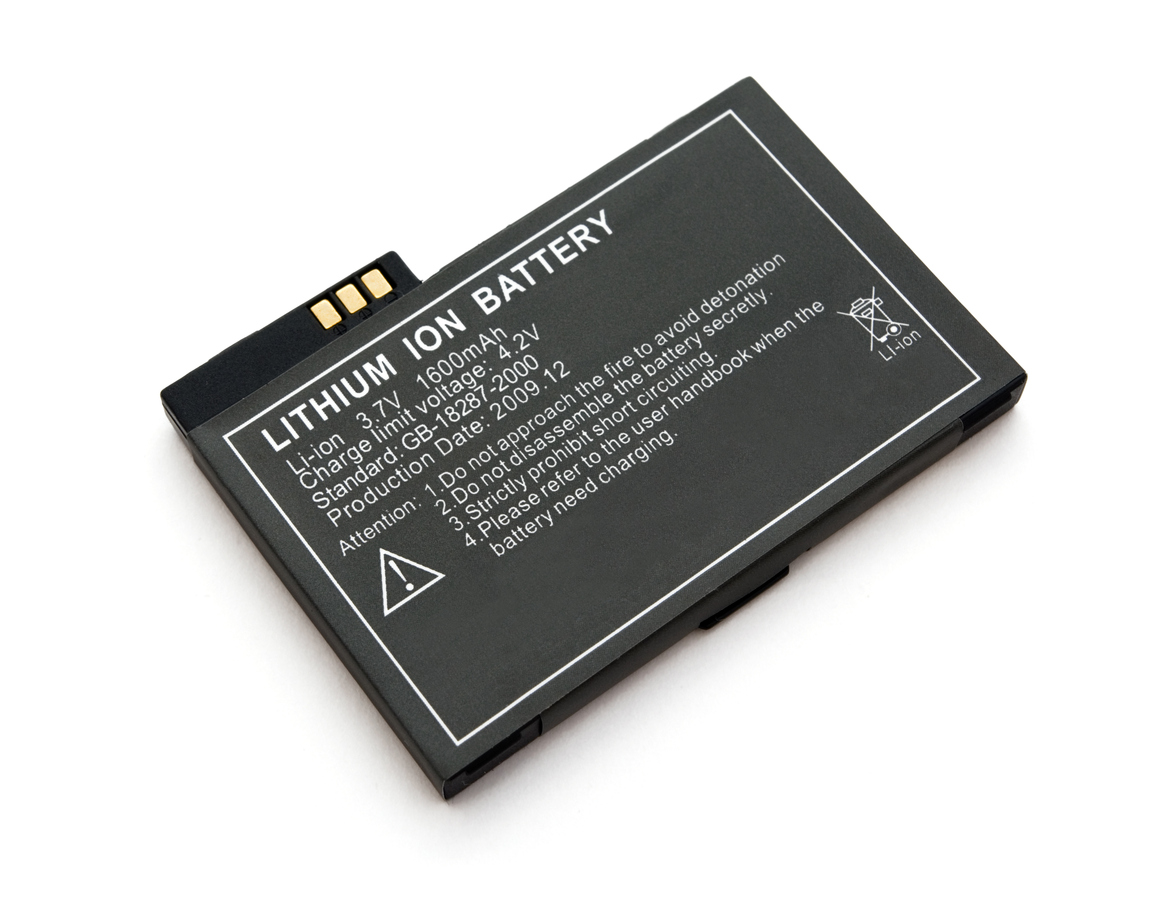
Francois Burman, Pr. Eng. / March 2020 Introduction Rechargeable Li-ion batteries have become the standard for most battery-powered portable devices. Accidents involving rechargeable Li-ion batteries are reported regularly. A personal electronic device (containing a rechargeable Li-ion battery) might be taken into a hyperbaric chamber (either deliberately or accidentally). In multiplace hyperbaric chambers, the types of...Read More
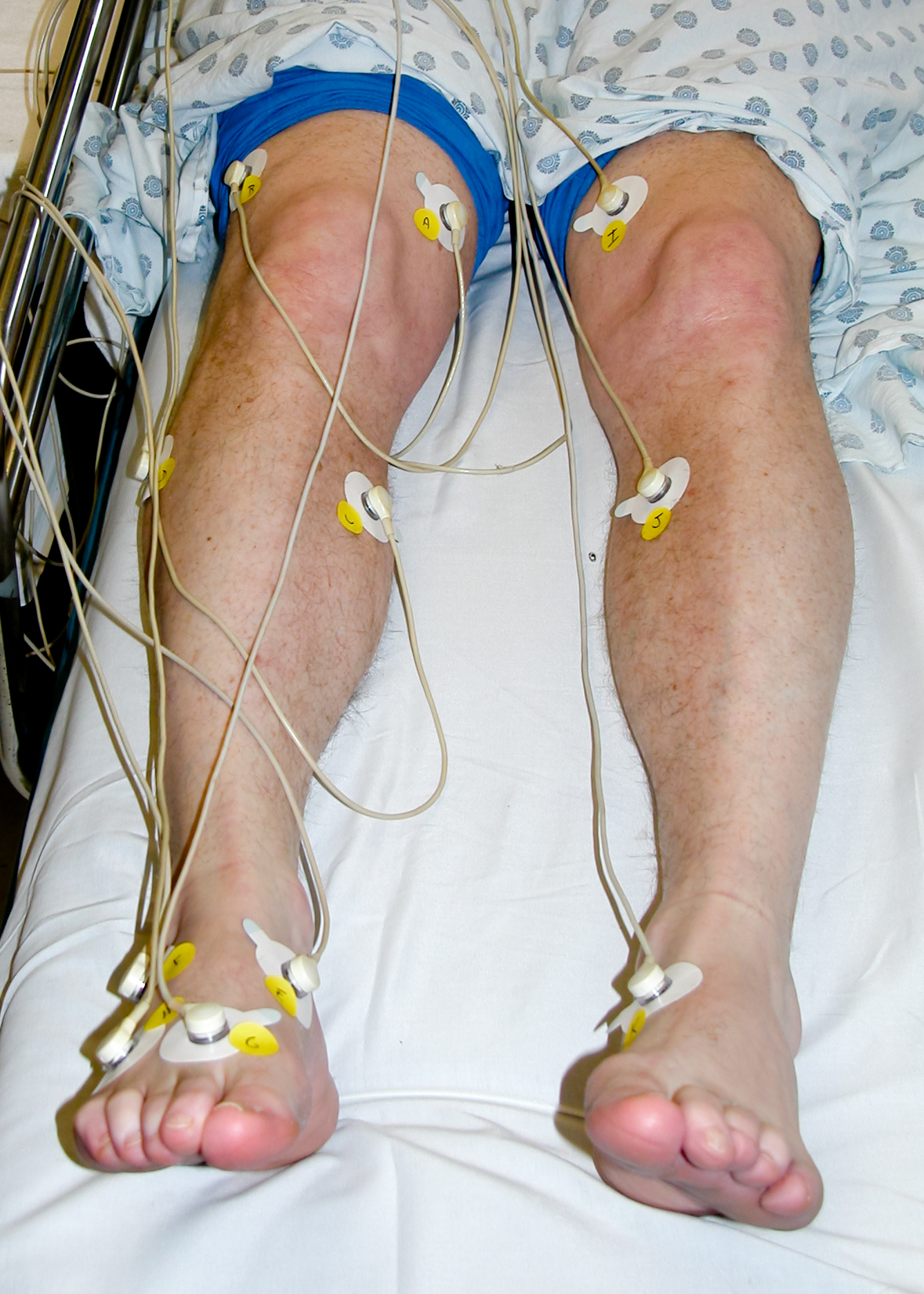
Description In January of 2011, the Current Procedural Terminology (CPT) definition of transcutaneous oximetry (TCOM) changed. This altered the study we must perform and the way it is billed. Individuals who perform TCOM studies should be aware of these changes and ensure compliance with all applicable rules. This article will explain the CPT definition and...Read More
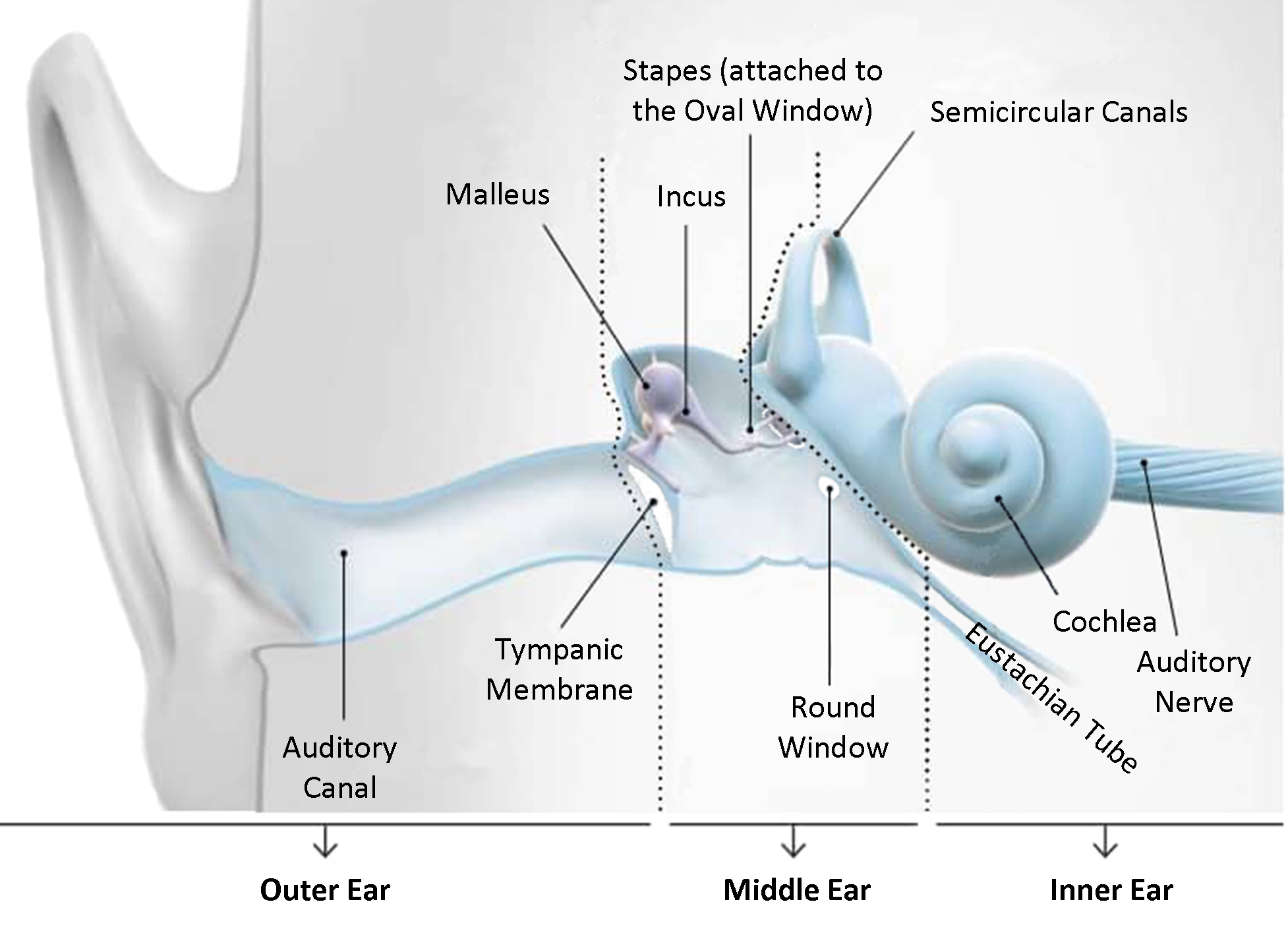
Robert Sheffield, CHT and Kevin “Kip” Posey, CHT / June 2018 Introduction Ear barotrauma (i.e. “ear block”, “ear squeeze”) is the most common complication of hyperbaric treatment. It occurs when the pressure in the hyperbaric chamber is greater than the pressure in the middle ear. It is prevented by patient assessment, patient education, and the...Read More
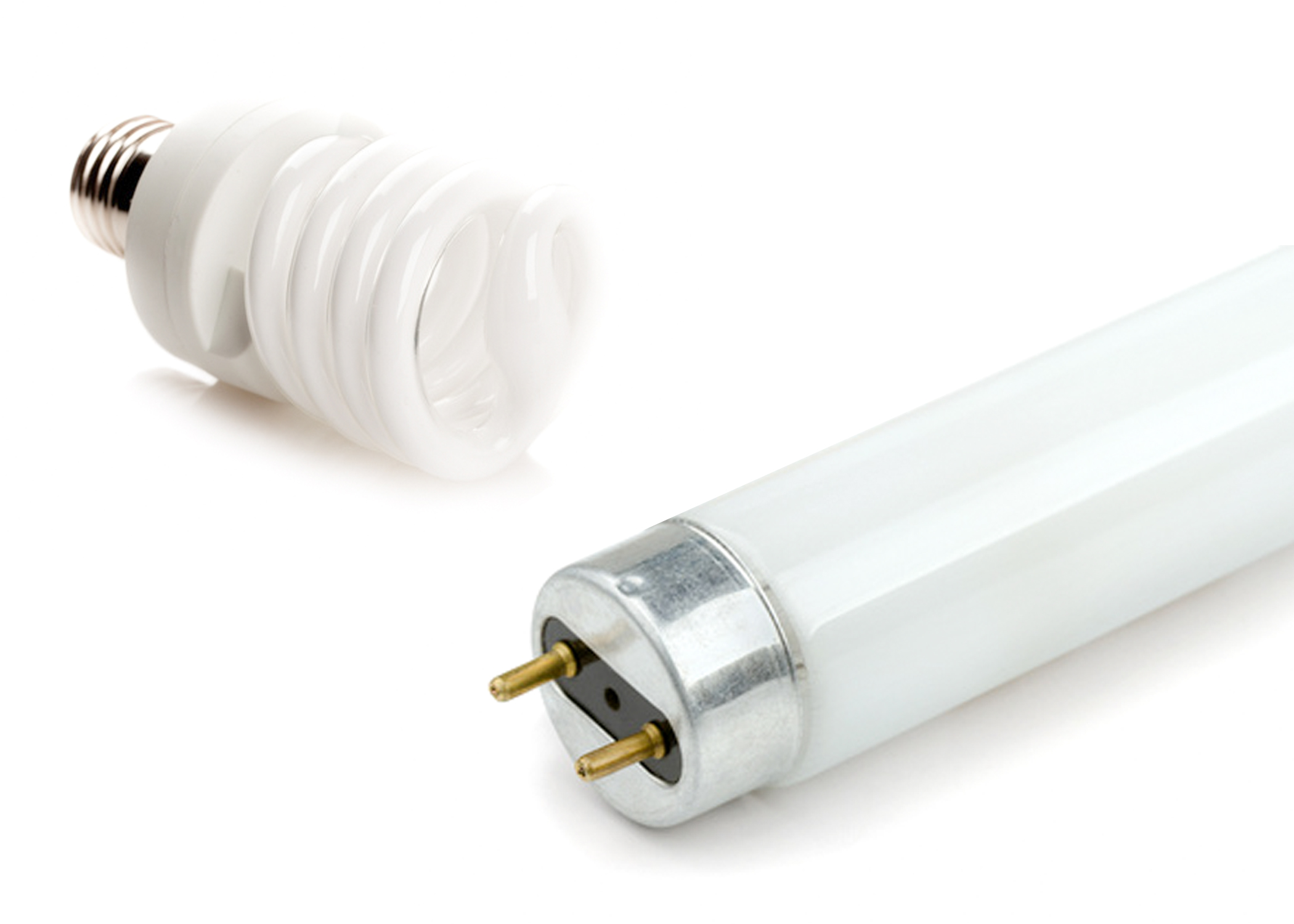
by Francois Burman, MSc, PrEng / June 2016 Introduction There is a commonly held belief in hyperbaric medicine that fluorescent lights should not be used near hyperbaric chambers. The premise of this belief is one of the following: (1) fluorescent light can damage the acrylic; and/or (2) fluorescent light can cause the hyperbaric patient to...Read More
by Deborah Sheffield Please Read Before You Purchase This activity is taken from a DVD titled CHT/CHRN Certification Exam Review Course. If you have used this topic for credit in the past, the NBDHMT will not allow you to re-use the same content for renewal credit. Description This video is a review of pressure injuries...Read More
by Robert Sheffield, BA, CHT Please Read This activity is taken from a DVD titled CHT/CHRN Certification Exam Review Course. If you have used this topic for credit in the past the NBDHMT will not allow you to re-use the same content for renewal credit. Description This video is a review of gas laws for...Read More
by Robert Sheffield, BA, CHT Please Read Before You Purchase This activity is taken from a DVD titled CHT/CHRN Certification Exam Review Course. If you have used this topic for credit in the past the NBDHMT will not allow you to re-use the same content for renewal credit. Description This video is a technical review...Read More
by Robert Sheffield, BA, CHT Please Read Before You Purchase This activity is taken from a DVD titled CHT/CHRN Certification Exam Review Course. If you have used this topic for credit in the past the NBDHMT will not allow you to re-use the same content for renewal credit. Description This video is a review of...Read More
by Robert Sheffield, BA, CHT Please Read Before You Purchase This activity is taken from a DVD titled CHT/CHRN Certification Exam Review Course. If you have used this topic for credit in the past the NBDHMT will not allow you to re-use the same content for renewal credit. Description This video is a review of...Read More
by Robert Sheffield, BA, CHT Please Read Before You Purchase This activity is taken from a DVD titled CHT/CHRN Certification Exam Review Course. If you have used this topic for credit in the past the NBDHMT will not allow you to re-use the same content for renewal credit. Description This video is a review of...Read More
by Robert Sheffield, BA, CHT Please Read Before You Purchase This activity is taken from a DVD titled CHT/CHRN Certification Exam Review Course. If you have used this topic for credit in the past the NBDHMT will not allow you to re-use the same content for renewal credit. Description This video is a review of...Read More
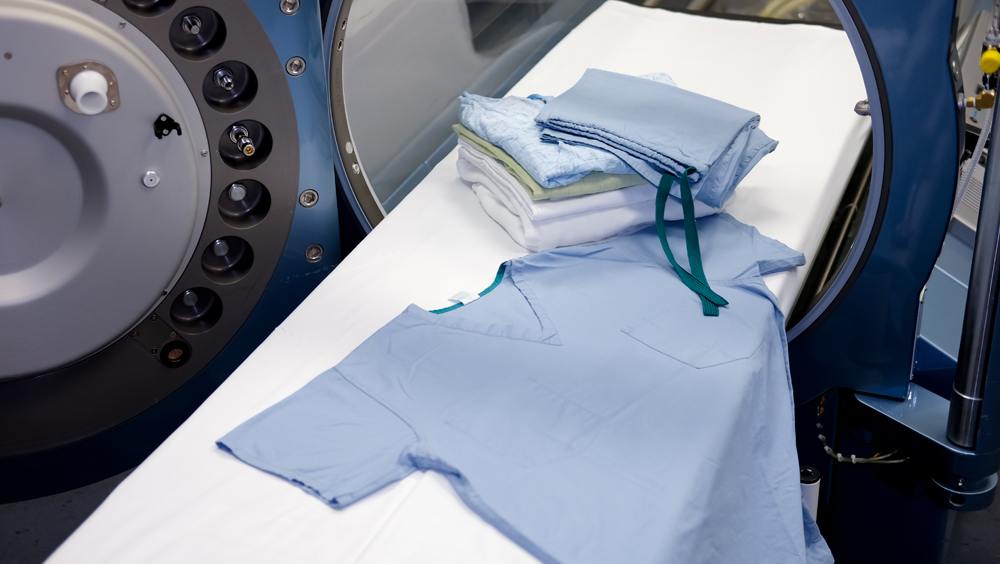
Much has been written about, speculated on and even mandated as to what clothing materials are suitable for use in a hyperbaric chamber. This article provides some of the factual and practical considerations when selecting materials for chamber clothing. All clothing fabrics burn, especially in the presence of elevated concentrations of oxygen. There are other...Read More
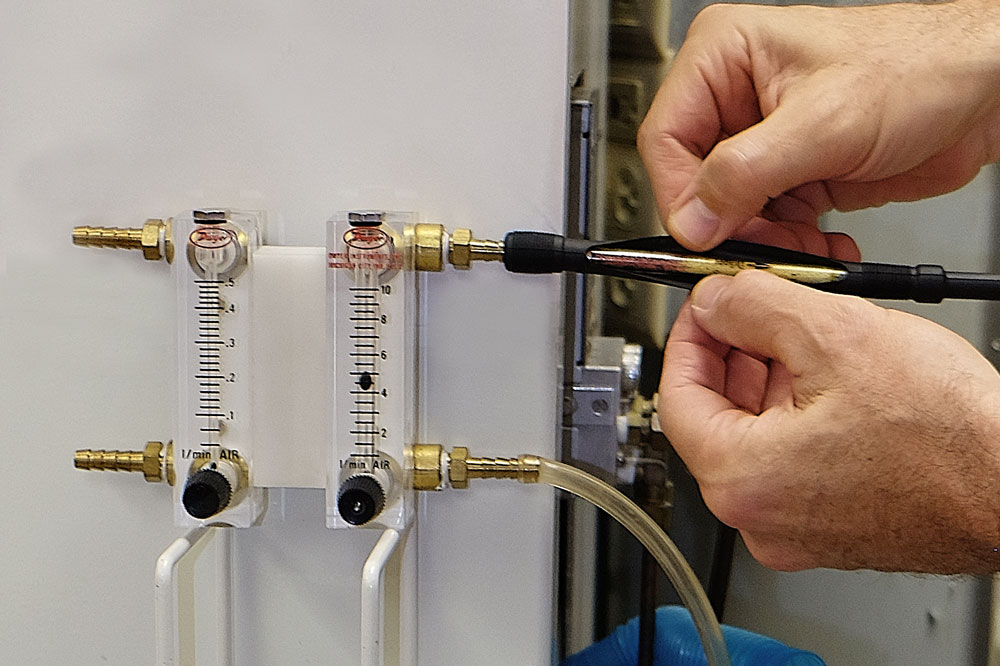
Francois Burman, Pr. Eng. / January 2017 Introduction In most hyperbaric facilities, compressed air is used as a breathing gas (for air breaks or in case the chamber environment is contaminated). Air may also be used to compress the hyperbaric chamber (in multiplace or monoplace chamber facilities). Whenever compressed air is used, the hyperbaric facility...Read More